Why Invest in Panamá?
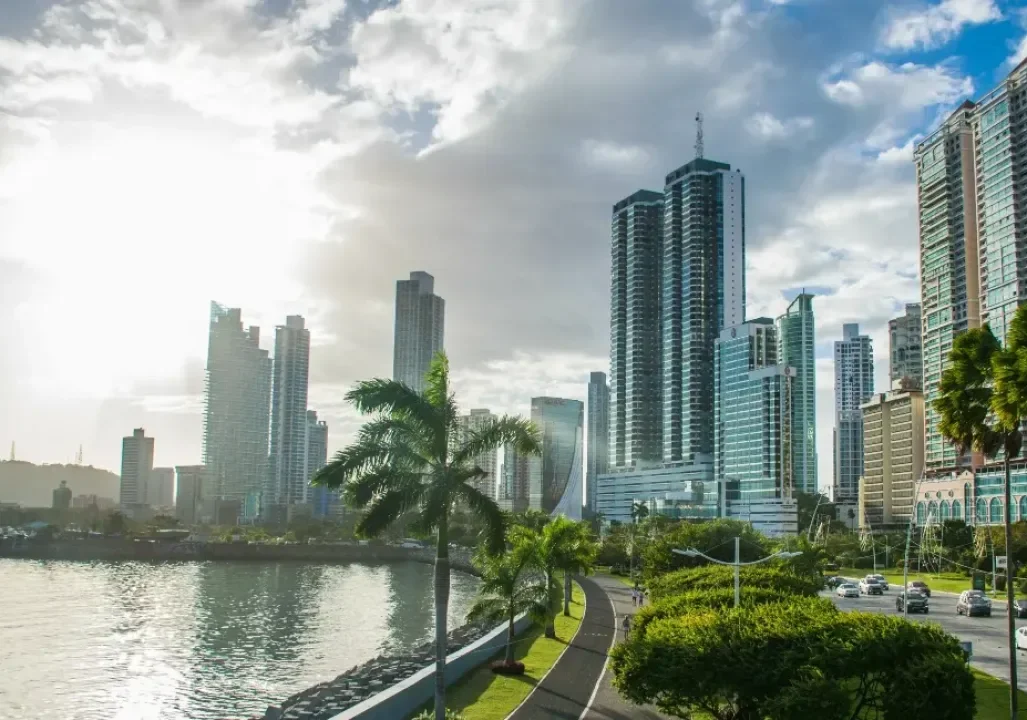
Investment Incentives
In this regard, the investment framework of Panama is anchored by Law 41 of 2004 (AEEPP) and Law 41 of 2007 (SEM). Through these two laws, a complete value proposition is established that attracts high-quality FDI and positions Panama as a regional hub for operations and management.
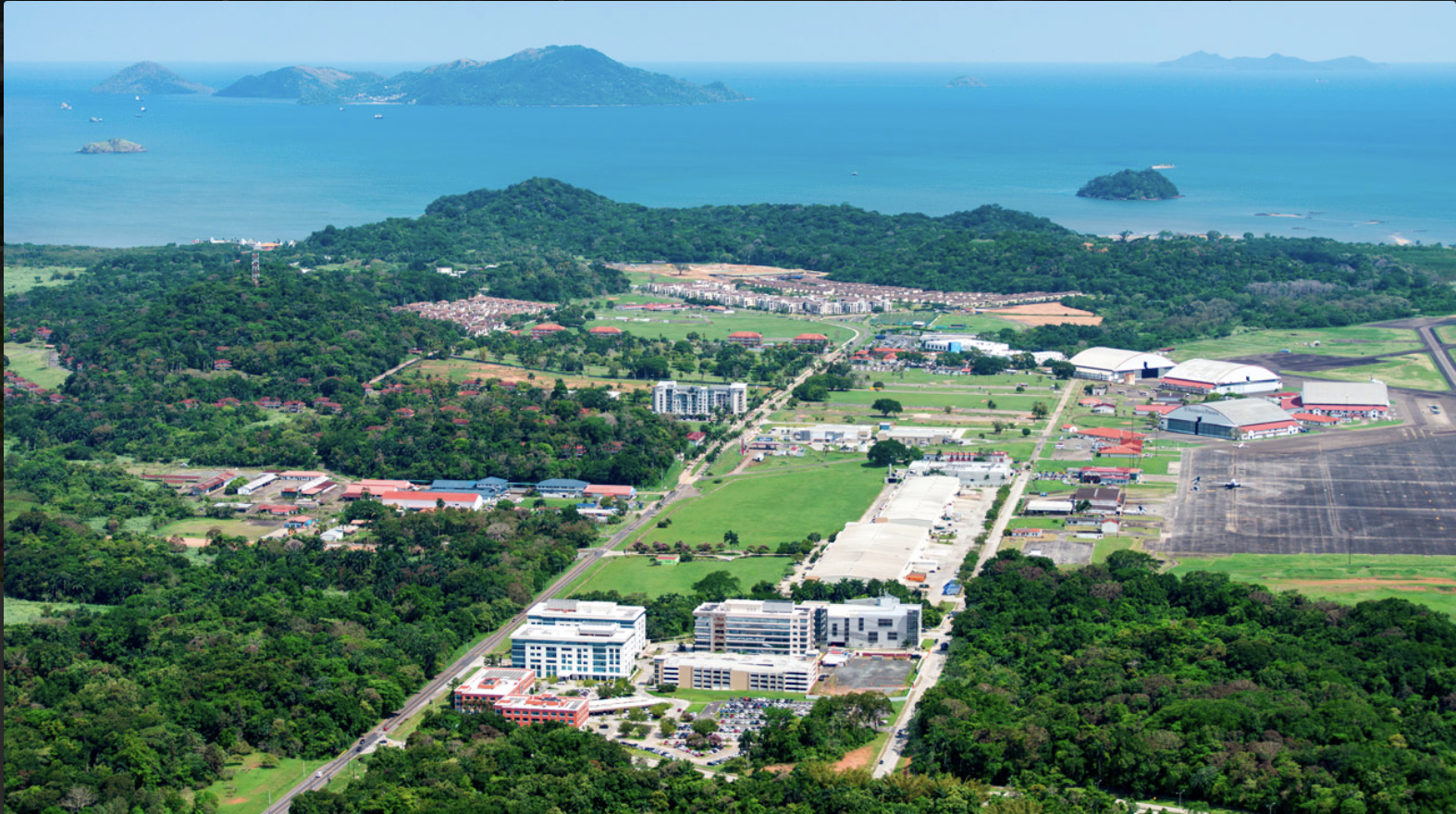
AEEPP grants logistic centers, aviation services, high-tech operations, and light manufacturing a recognized zone where custom and tax exemptions are availed.
SEM allows multinational corporations to establish regional headquarters with immigration, labor, and tax incentives, thus enabling centralized management functions to be undertaken without tying operations to a specific geographic area.
Read more below about what specifically poses Panamá as a promising investment opportunity.
Regional Headquarters Platform (SEM)
Panama’s Multinational Headquarters Regime (SEM) was created under Law 41 of 2007. It allows multinational corporations to centralize their regional management, strategic planning, and executive functions in Panama without limits on their operations. The regime offers immigration, labor, and tax incentives. This helps companies combine their operational and headquarters functions in one place while lowering regional operating costs and boosting efficiency. So far, the SEM regime has issued licenses to over 180 multinational corporations, including major U.S. firms like Dell, Caterpillar, 3M, and Procter & Gamble. About 20% of all SEM-licensed companies have their headquarters in the United States.

Semiconductor Industry Development
Supply Chain Positioning
The Center for Advanced Technologies in Semiconductors (C-TASC) was founded by Panama's National Technical University (UTP) to support academic innovation, research, and training in line with industry demands. Panama is ready to take part in the design and assembly, testing, and packaging (ATP) stages of the semiconductor supply chain.
ITSI Accreditation
Under the International Technology Security and Innovation (ITSI) initiative, which encourages the creation of secure semiconductor supply chains, the U.S. Department of State named Panama one of seven nations.
Development of the Workforce
According to projections, ATP operations will create 2,000–3,000 direct, well-paying jobs, with each direct job generating five to six additional indirect jobs. This will increase the overall economic impact, decrease brain drain, and promote upward mobility.
National Scholarship and Talent Development
The National Secretariat of Science, Technology, and Innovation (SENACYT) offer scholarship programs for advanced degrees abroad, with U.S. universities as primary destinations. Panama is also collaborating with Arizona State University (ASU) on research and training exchanges aligned with immediate labor market needs.
Multinational corporations
Panama’s SEM regime and logistics advantages provide strong incentives for multinational headquarters and manufacturing-related operations supporting the semiconductor value chain.
Strategic Infrastructure Projects
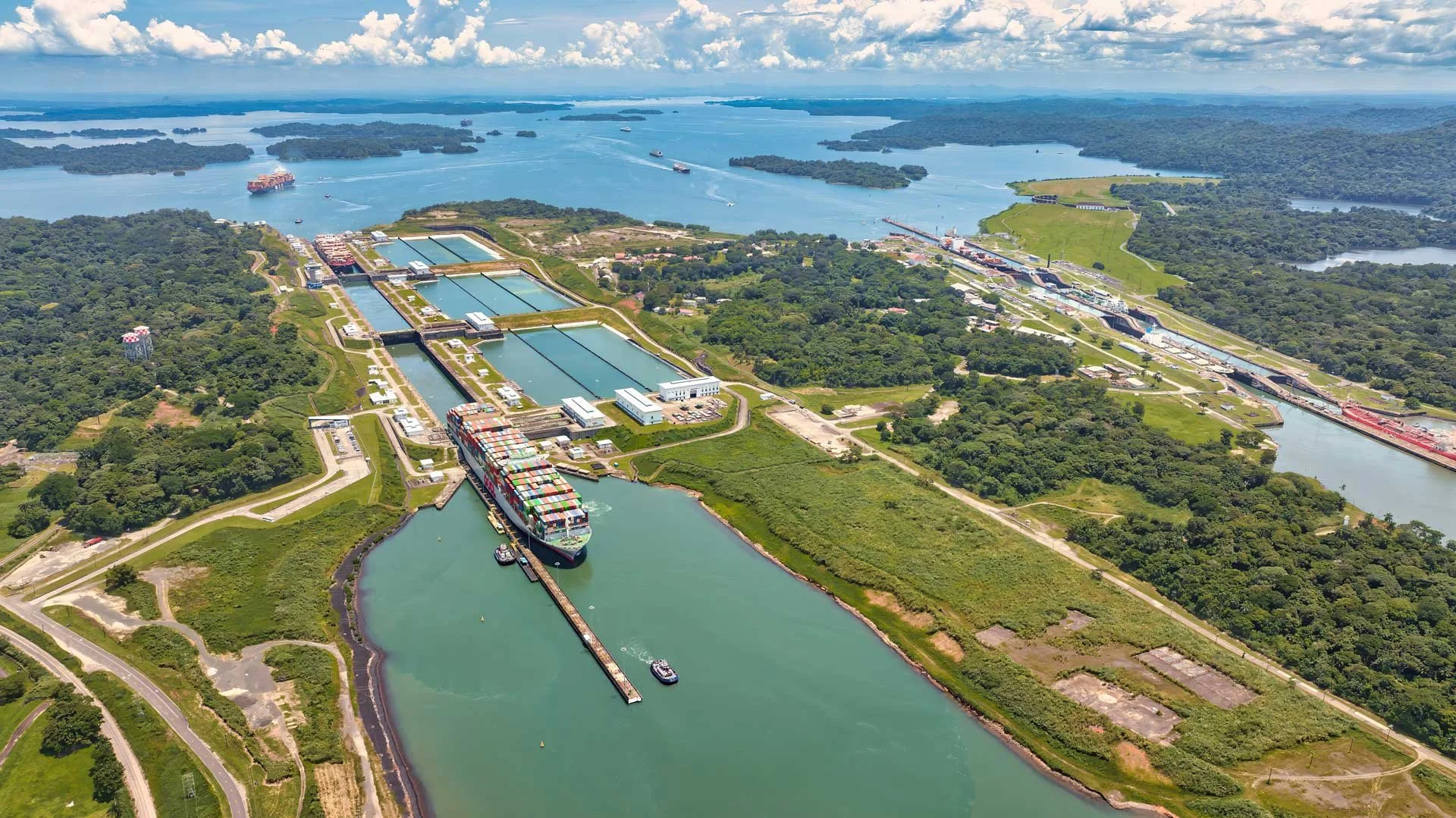
Panama is executing major infrastructure projects that strengthen national resilience and trigger long-term economic growth
Río Indio Reservoir Project
The Río Indio Reservoir is a USD 1.2–1.6 billion strategic water infrastructure project designed to secure the long-term sustainability of the Panama Canal and supply water to over 50% of Panama’s population. It is expected to deliver 11–14 additional canal crossings per day during dry seasons. Construction began in 2025 and will span approximately six years, beginning with 18–24 months of social engagement and awareness followed by four years of construction.
LPG Pipeline Project
The proposed USD 4 billion LPG pipeline is a trans-isthmian project aimed at optimizing transport of liquefied petroleum gas between the Atlantic and Pacific oceans. Designed as a “lane without water,” the system will transfer LPG via pipeline instead of canal transit, freeing up to five daily canal lockages for higher-value vessels.
Port Expansion
The Corozal project: This project consists of the construction of a new Pacific-side container terminal in close proximity to the Balboa port. With an initial capacity of 3.2 million TEUs (Twenty-Foot Equivalent Unit), now it is expandable up to 5 million TEUs. This will bring the national port capacity to 15 million TEUs, the largest capacity in the region.
Isla Telfer: This island is found near the Atlantic exit of the Panama Canal, and is comprised of the 670 MW Gatún Generation Plant. The former is fueled by LPG, which provides power and cuts down on the cost of energy needed by transport and industry, as well as enabling bunkering operations with LPG.
With these projects implemented together, Panama poses as a competitive location when it comes to logistics oasis across both oceans.